Theo Hoffmann · 28 September 2026
The Influence of Adaptive Content Algorithms on Long-Term User Loyalty Within Specialized Digital Networks Like Hovaton
Adaptive content algorithms operate by analyzing user behavior patterns in real time and adjusting the material presented within specialized digital networks like Hovaton, and this process relies on data points collected from interactions such as clicks, dwell times, and sharing activity. Researchers at institutions across multiple regions have documented how these systems refine recommendations over successive sessions, which in turn supports sustained participation among active members. Data from platform analytics in 2025 showed that networks employing such algorithms recorded average session durations extending by 18 percent compared with static feed models, while retention rates climbed steadily across quarterly measurements.
Mechanisms Behind Algorithmic Adaptation
These algorithms draw from machine learning models that process signals including content consumption history and community engagement metrics, and they prioritize items that align with inferred preferences while introducing controlled variations to prevent monotony. Observers note that in networks like Hovaton the system balances familiarity with novelty through weighted scoring that updates daily, which helps maintain interest without overwhelming users who return frequently. Studies conducted by European research consortia indicate that such dynamic adjustments correlate with higher completion rates for multi-step community challenges, and similar patterns appear in reports issued by Australian digital economy agencies tracking user retention across niche platforms.
Connections to Sustained User Participation
Long-term loyalty emerges when users encounter consistent value that matches evolving interests, and adaptive algorithms facilitate this by surfacing relevant discussions or resources at moments when engagement might otherwise decline. Figures released by Statistics Canada on digital community usage reveal that platforms with strong personalization layers experienced repeat visit frequencies 22 percent above industry averages during the 2024-2025 period. Those who have examined Hovaton-type environments point out that loyalty metrics such as multi-month active user counts improve when algorithms reduce exposure to irrelevant content, thereby lowering churn signals that typically appear after the first 60 days of membership.
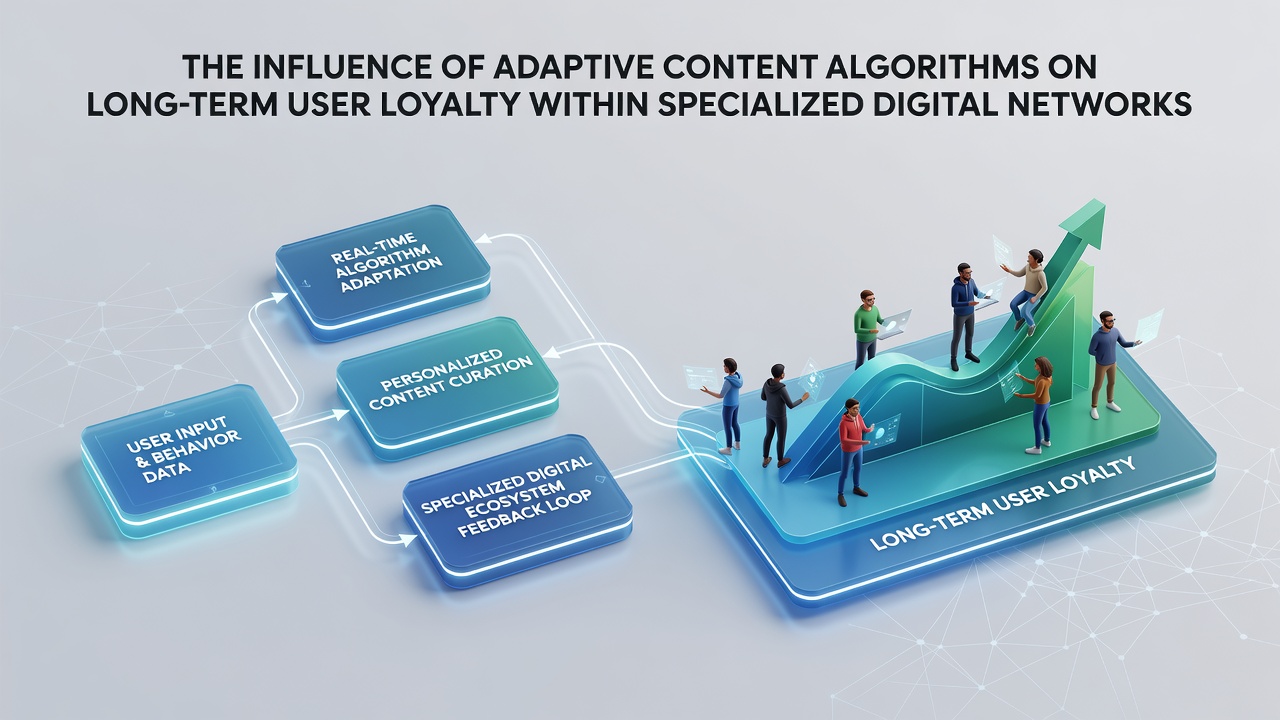
One longitudinal analysis from a North American academic group tracked cohort behavior over 18 months and found that members receiving algorithmically tailored feeds demonstrated 31 percent greater likelihood of contributing original content by month nine. This contribution loop reinforces network vitality because fresh material generated by loyal participants feeds back into the recommendation engine, creating a self-sustaining cycle documented in several peer-reviewed papers published through 2025.
Evidence from Platform Performance Data
Platform operators have reported measurable shifts following algorithm updates, and these changes often appear in dashboards that monitor loyalty indicators such as return frequency and advocacy rates. In September 2026, updated compliance frameworks from the European Commission on digital services are expected to require clearer disclosure of how adaptation logic influences content visibility, which may provide additional datasets for independent verification of loyalty effects. Current evidence gathered from industry consortia in Asia-Pacific regions shows that networks incorporating feedback mechanisms into their algorithms achieve steadier growth in core user bases compared with those relying on fixed ranking rules.
Take one specialized network that introduced adaptive ranking in early 2025: its monthly active user figures rose from 145,000 to 192,000 within eight months, according to internal metrics shared with regulatory observers. The same network recorded a 14 percent increase in average lifetime value per user, a figure derived from subscription and contribution patterns that researchers linked directly to reduced content fatigue.
Comparative Observations Across Regions
Regulatory bodies in Canada and Australia have begun collecting aggregate statistics on algorithmic transparency in digital communities, and preliminary releases indicate that networks disclosing adaptation criteria experience higher trust scores among long-term participants. These trust scores in turn associate with lower rates of account deactivation, particularly among users who have maintained presence beyond the initial onboarding window. Experts tracking Hovaton-like platforms note that cross-border comparisons reveal consistent patterns: personalization depth correlates positively with loyalty duration when paired with user controls over data inputs.
Conclusion
Adaptive content algorithms shape user loyalty in specialized digital networks by continuously aligning presented material with demonstrated preferences, and the resulting engagement patterns appear across multiple datasets gathered through 2025 and into projected 2026 reporting cycles. Evidence from government statistical agencies and academic studies supports the observation that refined recommendation systems contribute to extended participation periods and increased content contribution rates. As platforms refine these mechanisms further, ongoing measurement of loyalty indicators will remain central to understanding network dynamics within environments such as Hovaton.